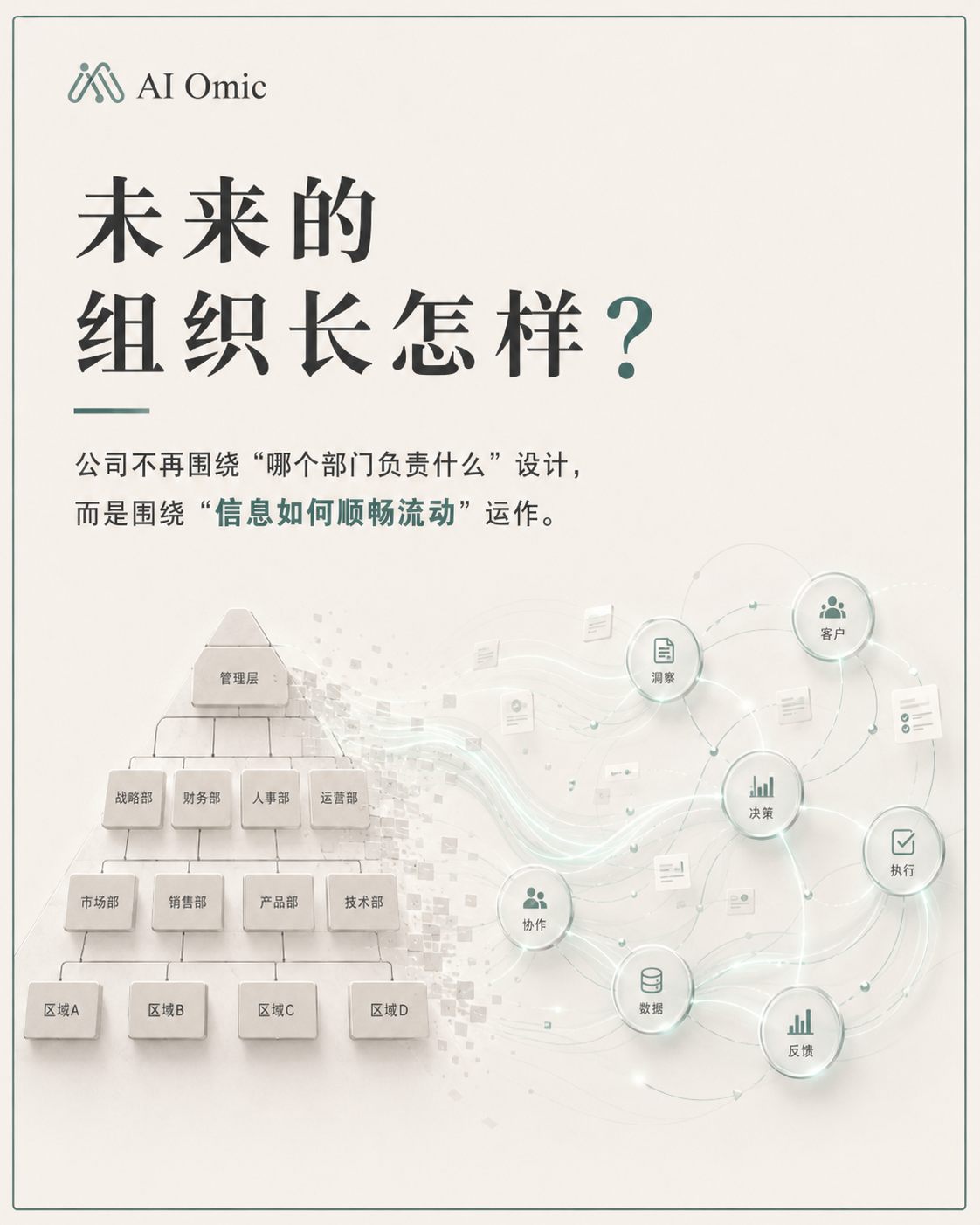
A few years ago, most companies were still organized around departments.
Finance handled invoices. HR handled hiring. Operations handled processes. Marketing handled campaigns.
Work moved slowly from one team to another, often through spreadsheets, emails, meetings, approvals, and manual updates.
At the time, that structure made sense.
But recently, while building AI workflows and automation systems, I started noticing something interesting: the real
bottleneck inside many companies is no longer people. It is workflow friction.
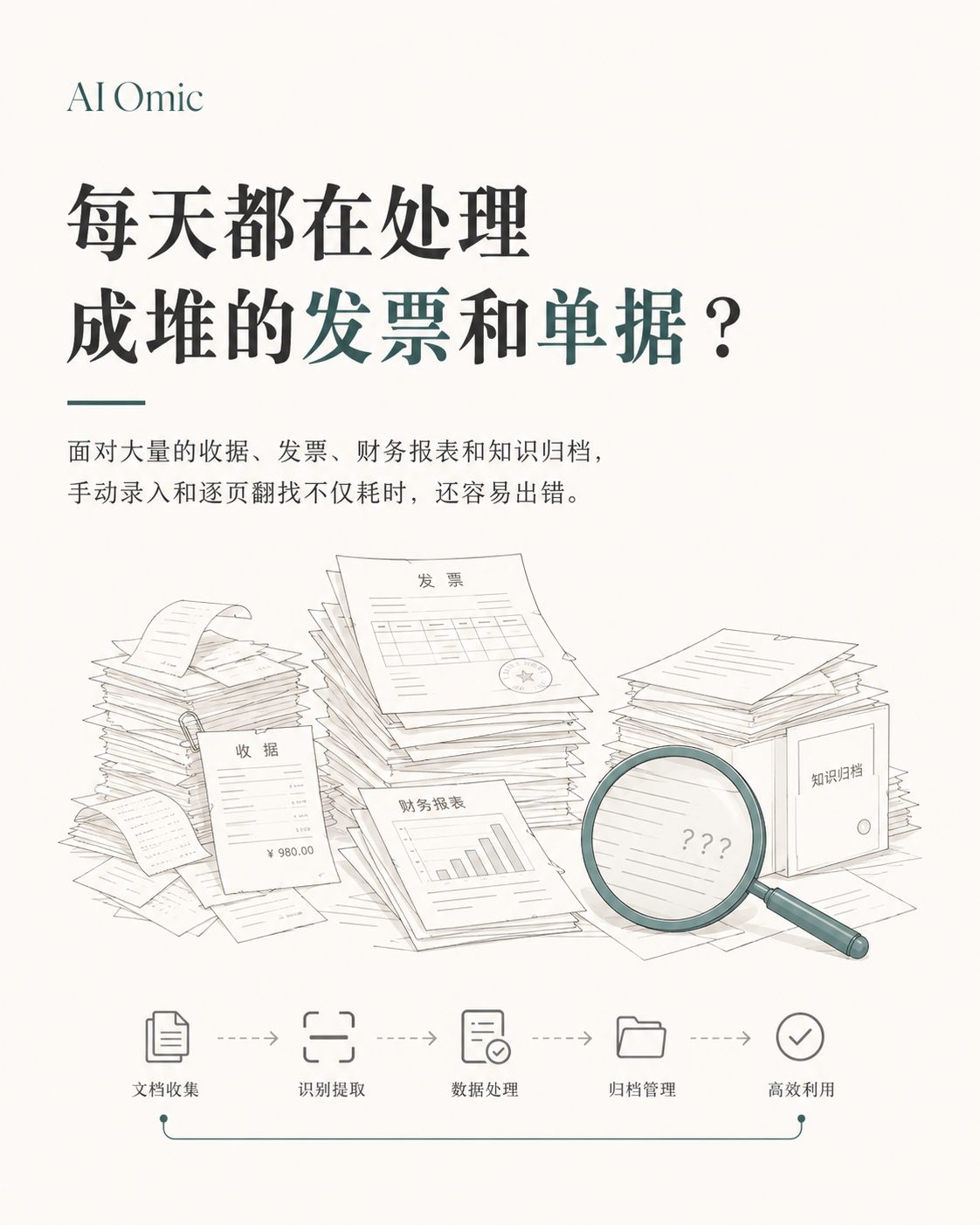
Information gets stuck between tools. Approvals get delayed between teams. Data gets copied multiple times. Employees
spend hours moving information instead of making decisions.
Most people think AI will mainly replace jobs. I don’t think that’s the biggest shift. I think AI is quietly changing
the operating structure of companies themselves.
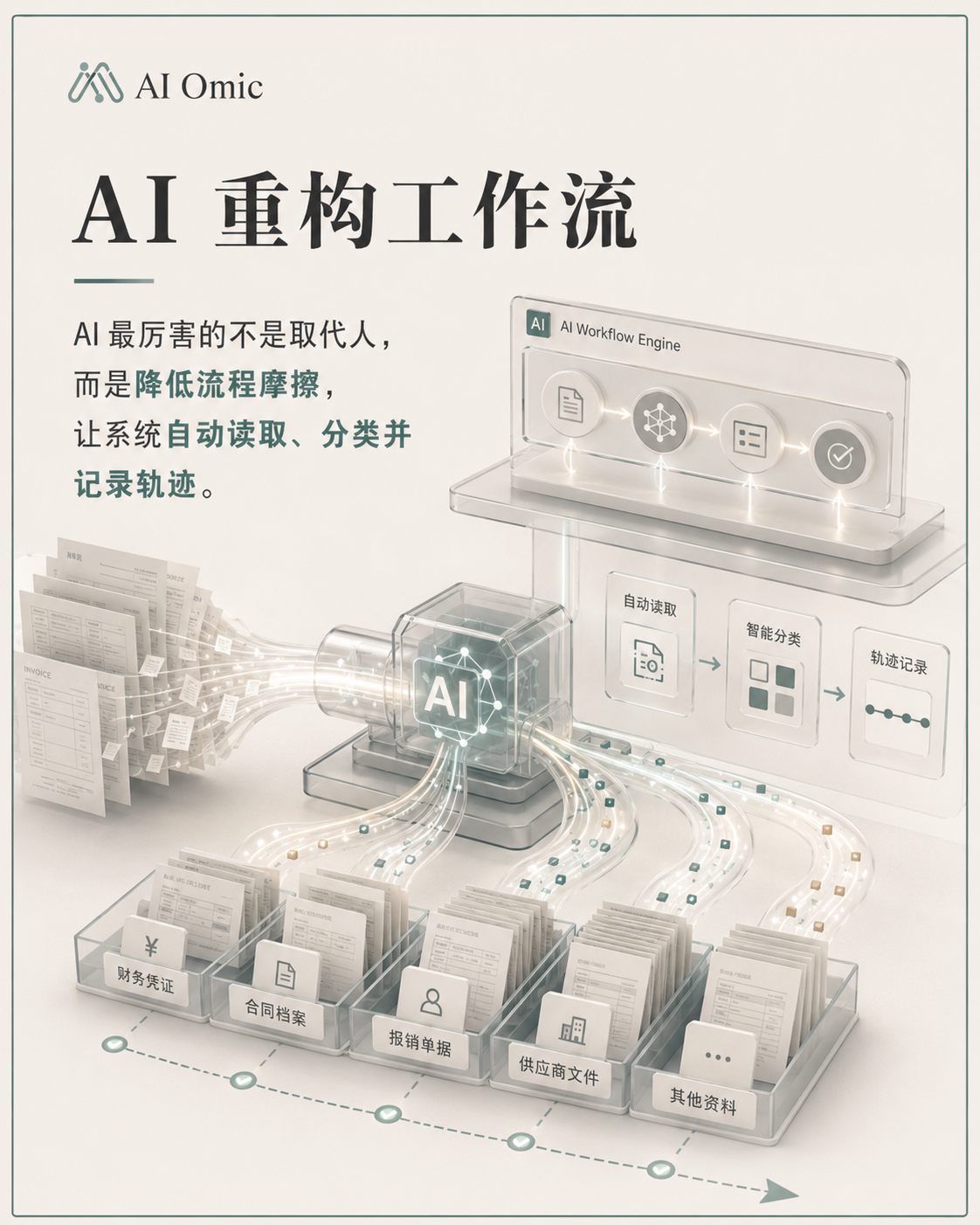
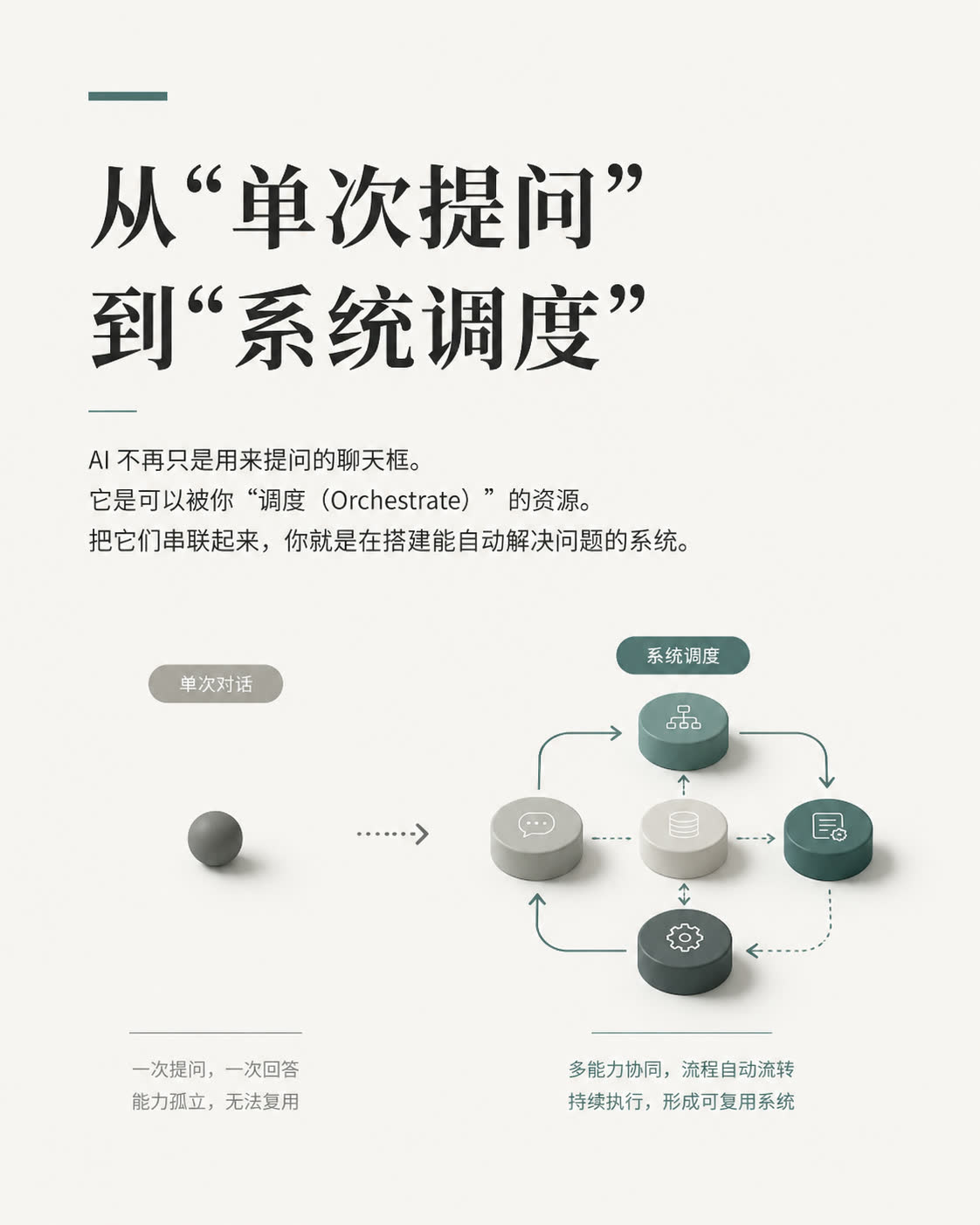
Because AI does not care about departments. It cares about workflows. An invoice does not “belong” to Finance anymore.
It becomes part of a connected operational flow:
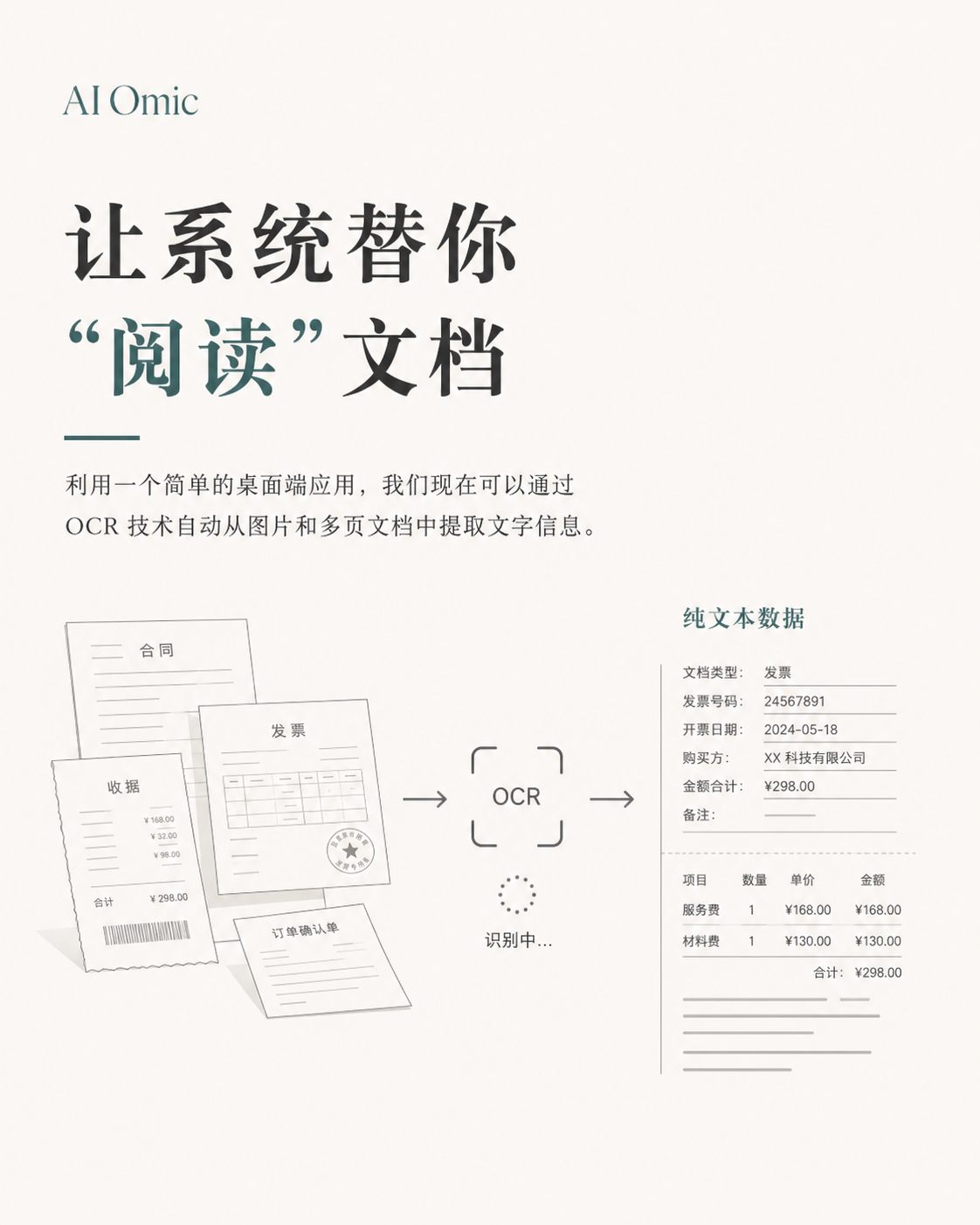
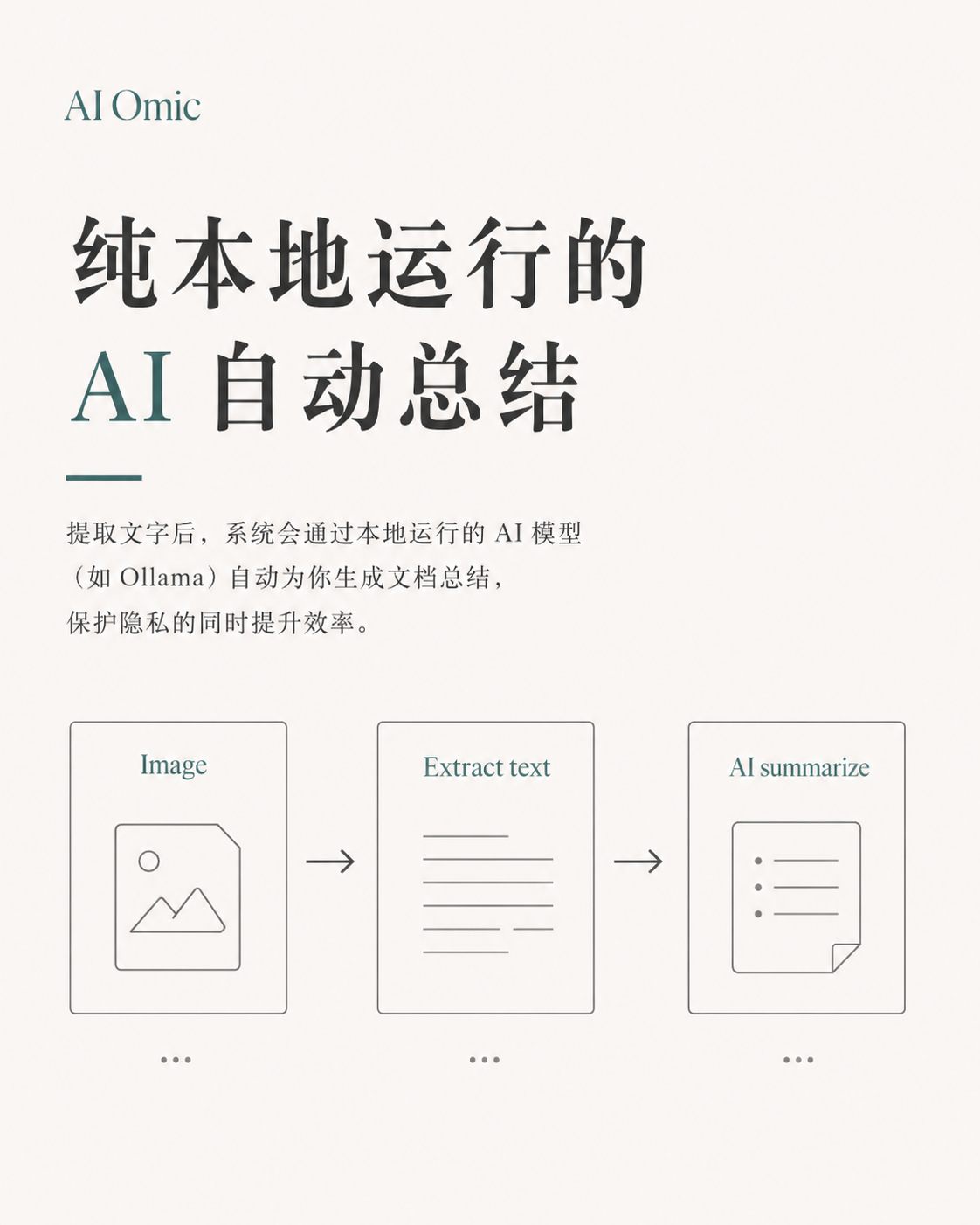
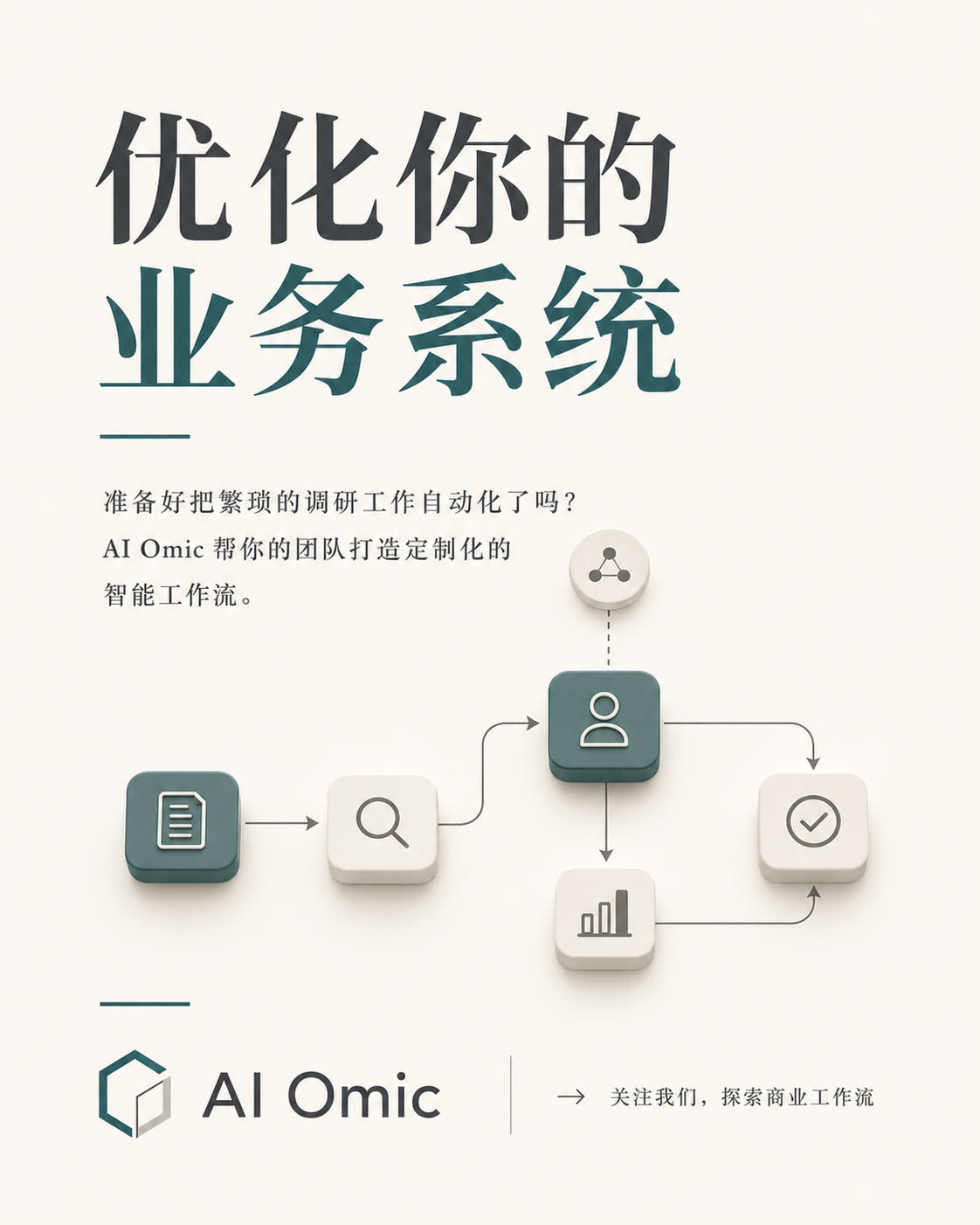
OCR reads the document → AI classifies and validates data → Workflow routes exceptions → Human reviews only when necessary →
ERP updates automatically → Audit trails are recorded in real time.
The same thing is happening across customer support, reporting, onboarding, procurement, content operations, internal approvals,
and knowledge management.
The future company may not be organized around departments. It may be organized around interconnected systems of workflows.
Humans will still matter deeply, but our role shifts from moving information to judgement, escalation, context, and decision-making.
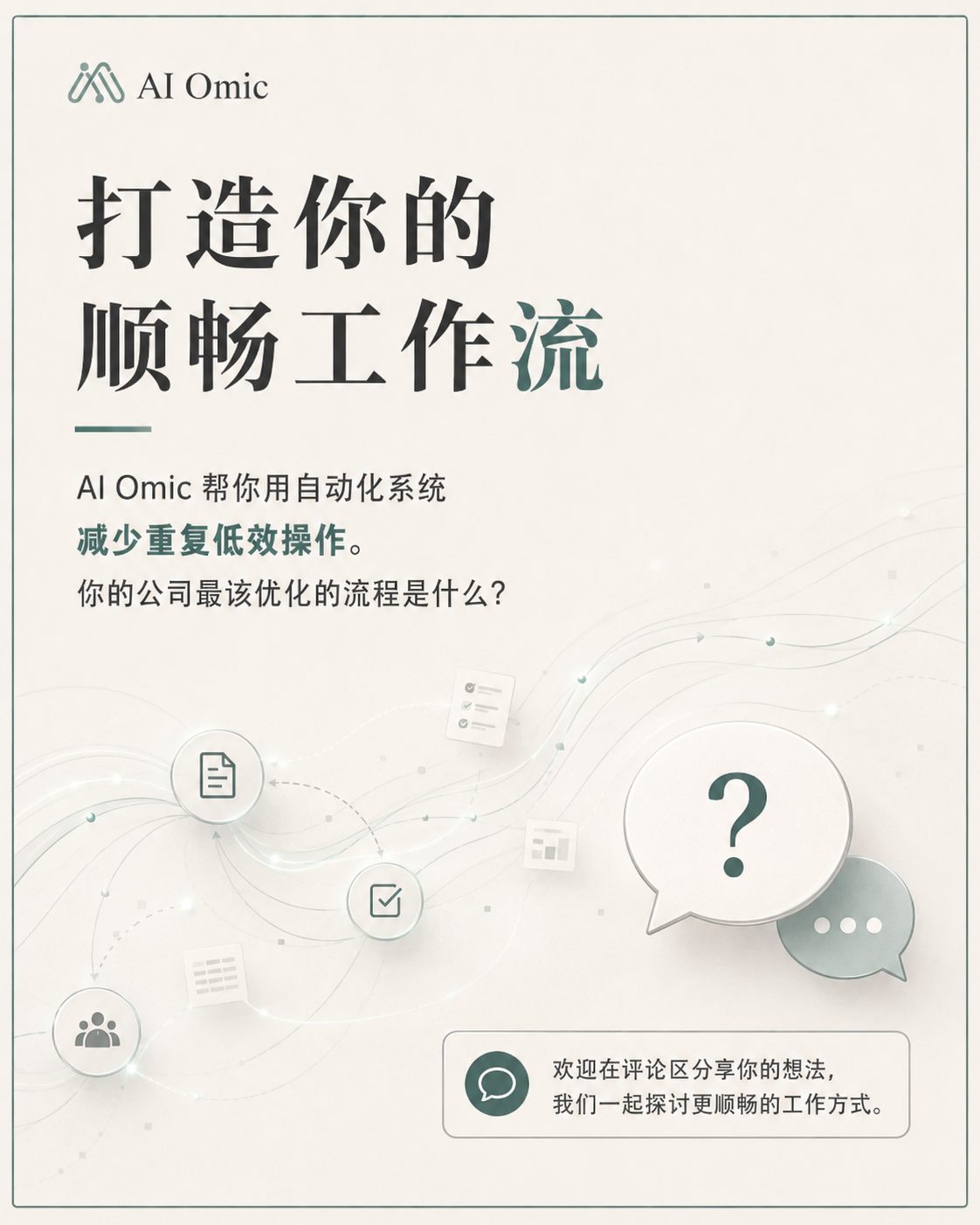
Many SMEs are currently asking: “How can AI help us?” A better question might be: “What workflows inside our company should
never have been manual in the first place?”
The companies that win in the AI era may not be the ones with the most employees. They may be the ones with the least workflow friction.